A successful installation begins with a comprehensive site assessment. Engineers analyze solar irradiation levels, shading patterns, soil structure, wind exposure and climate conditions. Feasibility studies include topographical surveys, environmental evaluations and grid compatibility checks. Accurate assessment is essential for predicting energy yield and selecting the most efficient technological configuration for the plant.
The engineering phase determines the foundation of the solar plant. Specialists choose the appropriate panel type—monocrystalline, polycrystalline or bifacial modules—based on performance and budget. Inverter capacity, mounting structures, cable layout and transformer selection are also planned. Engineers design the plant to minimize energy loss, optimize sun exposure and ensure mechanical durability even under harsh weather conditions.
High-efficiency PV modules, inverters, transformers, switchgear, wiring systems and monitoring devices are procured according to technical specifications. Quality assurance teams verify material certifications, galvanization standards, insulation performance and compliance with IEC/UL norms. Effective supply chain management reduces delays and ensures that all components arrive in optimal condition.
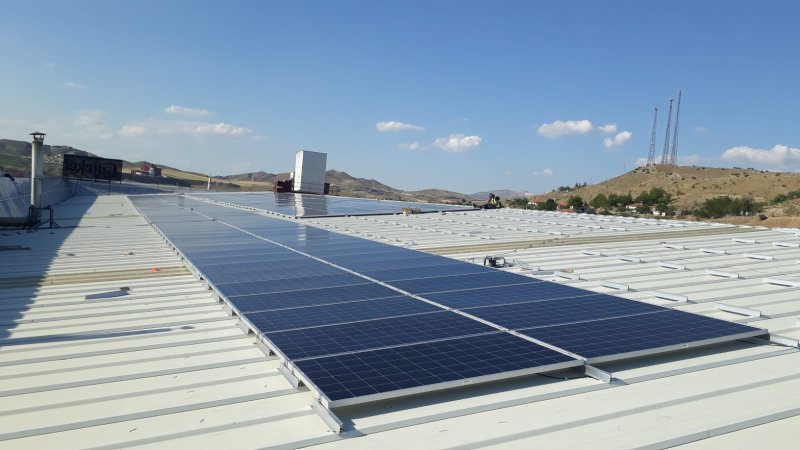
Construction begins with earthworks, foundation preparation and mounting structure installation. Next, photovoltaic panels are aligned at the correct tilt angle, inverters are mounted, and AC/DC cabling is integrated. String configurations, grounding systems and surge protection devices are installed to ensure safe and reliable operation. After mechanical assembly, the electrical integration process begins, connecting modules, junction boxes, combiner panels and transformers.
Before connecting the plant to the grid, technicians perform insulation tests, load checks, thermal imaging and IV-curve analyses. Protection systems such as relays, breakers and surge protectors are calibrated. Once all tests are passed, grid operators approve synchronization and the plant officially enters service. Commissioning documents, performance guarantees and maintenance guidelines are finalized at this stage.
Solar power plants require continuous monitoring to maintain peak efficiency. Advanced SCADA systems track real-time performance, temperature variations, fault signals and energy output. Maintenance teams perform periodic panel cleaning, tightening of electrical joints, inverter servicing and thermal inspections. Long-term operational strategies include degradation analysis, predictive maintenance and performance optimization.
Solar power plants significantly reduce carbon emissions, minimize fossil fuel dependency and support national energy security. They offer predictable operational costs, rapid return on investment and long-term financial stability for investors. As renewable technologies continue to advance, solar power generation remains one of the most powerful tools for achieving global sustainability goals.